
Frozen Gutters and Roof Leaks: Toronto Prevention Guide
Frozen gutters are a common winter problem in Toronto, and they can quickly lead to serious home damage if ignored. When your gutters freeze, meltwater from the roof has nowhere to drain, which can cause water to back up under shingles and leak into the home. This guide explains what causes frozen gutters, how they lead to roof leaks, how to prevent them, how to safely clean frozen gutters, and what to do if your roof is leaking in winter.
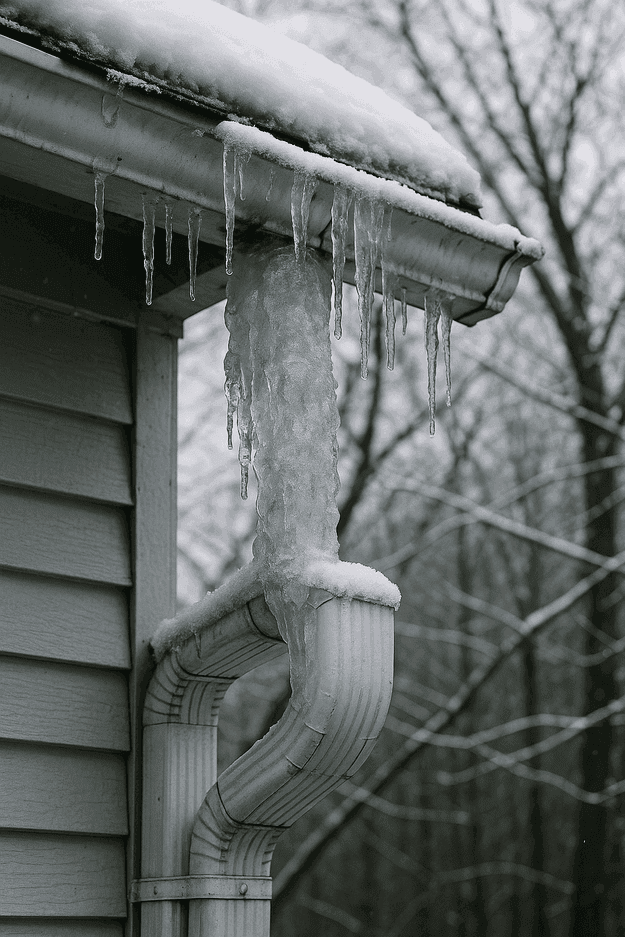
What Causes Frozen Gutters
Gutters freeze when water gets trapped and temperatures drop below zero. The most common reasons for frozen gutters include:
- Gutters full of leaves, debris, or leftover fall buildup
- Clogged or blocked downspouts
- Melting and refreezing caused by weak attic insulation or ventilation
- Standing water from improper slope or damaged gutter sections
- Heavy snow accumulation or ice dams
Even a small blockage can create a chain reaction that leads to winter leaks.
How Frozen Gutters Lead to Roof Leaks
Here is how frozen gutters cause roof leaks, step-by-step:
- Gutters fill with water that cannot drain
- Water freezes and expands, forming an ice blockage
- Ice pushes water upward under shingles and roof layers
- Moisture reaches wood, insulation, and ceilings
- Interior leaks, mold, and structural damage begin
This is also how ice dams form, one of the most expensive winter roofing issues.
Signs Your Gutters Are Frozen
Watch for early warning signs before ice buildup turns into roof leaks or structural damage. Frozen gutters usually start with subtle issues that get worse quickly, especially if regular maintenance or gutter cleaning was skipped:
Large icicles forming along the eaves, often a sign that meltwater can’t drain properly
Water dripping in unexpected places, like behind the fascia or along exterior walls
Interior stains, bubbling paint, or ceiling spots, caused by trapped water backing into the roofline
Sagging or pulling gutters, which happens when heavy ice stretches brackets and weakens the system
Damp attic insulation or a musty smell, a red flag that meltwater is leaking into the attic instead of flowing through the gutter
If you notice more than one of these symptoms, take action immediately. Severe ice blockages can escalate fast, and contacting a professional cleaning company in Toronto can stop the damage before it spreads into your roof or interior.
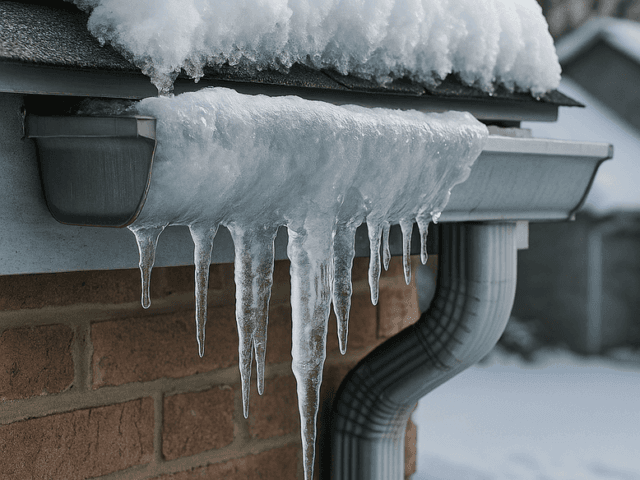
How to Clean Frozen Gutters Safely
If your gutters are already frozen, avoid swinging hammers, chisels, or anything that can dent the metal or damage the roof. A careful approach prevents bigger headaches like leaks and warped gutter sections. Here’s how to safely handle frozen gutters during winter in Toronto, especially if you are already doing routine gutter cleaning:
Apply calcium chloride socks, not rock salt, because calcium chloride melts ice without corroding metal or shingles
Flush the area with warm water, not boiling water, to loosen ice slowly and protect the gutter seams
Use steam-based thawing if you have access to proper equipment, since it melts ice quickly while keeping the gutter structure intact
Contact a professional gutter cleaning company in Toronto if the blockage is severe or water begins backing up toward the roofline
Frozen gutters can bend, crack, or detach when handled incorrectly. Proper thawing and regular gutter cleaning reduce the risk of roof leaks and ice dams forming later in the season.
Can You Fix a Leaking Roof in Winter?
Yes, you can fix a roof leak in winter, but most repairs will be temporary until temperatures rise enough for long-term sealing or shingle work. The goal during cold months is to stop active water entry, stabilize the area, and prevent the leak from spreading. Reliable winter solutions include patching, redirecting water, controlled heat application, and managing ice or snow buildup around the affected spot.
How to Fix a Roof Leak in Winter
Identify the source quickly so water does not travel under shingles or into insulation
Clear nearby snow and ice to reduce pressure on the roof and expose the leak point
Install temporary sealant when weather allows, giving you a short-term barrier until full repairs can be done
Improve roof drainage by ensuring downspouts, gutters, and nearby pathways stay open
Hire a roofing professional if water is actively entering the home or spreading into ceiling materials
Prompt action prevents mold growth, insulation damage, electrical hazards, and costly drywall repairs.
Winter Roofing Tip: Reduce Risk With Proper Snow and Ice Management
Most winter leaks start with trapped meltwater, iced-over gutters, or heavy snow loads pushing moisture under shingles. Pairing quick roof repairs with reliable snow removal services helps keep your roof clear, prevents ice dams, and lowers the chance of repeat leaks through the season.
A little prevention goes a long way during Toronto winters, so act early, stay consistent with maintenance, and bring in pros when the weather makes repairs risky.