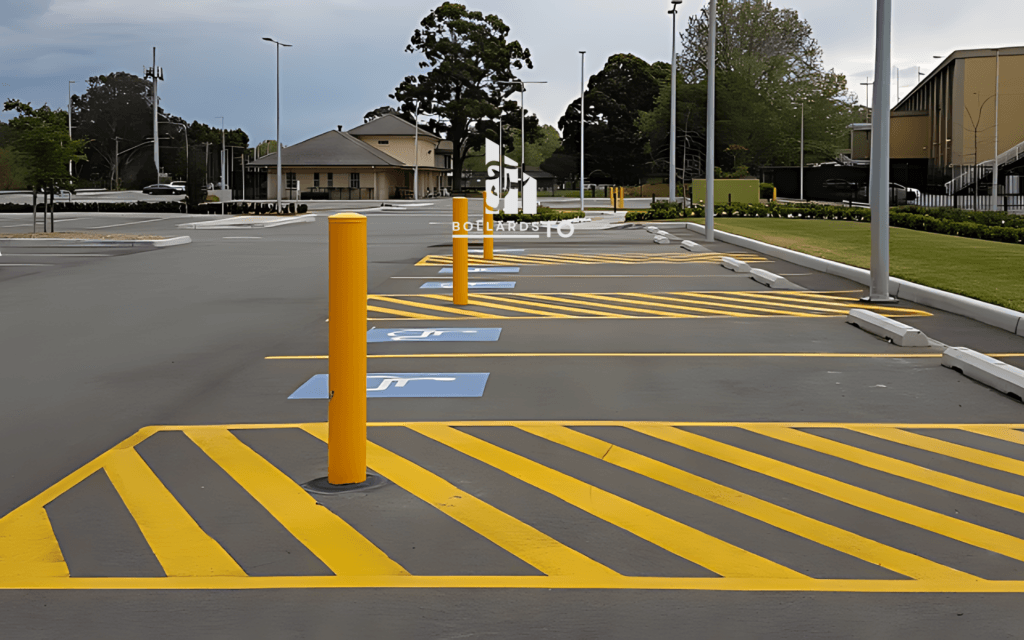
How Much Does Bollard Installation Cost in Toronto?
In a city as active and vehicle-heavy as Toronto, keeping properties safe from accidental damage or unauthorized access is essential. One of the most practical ways to do that is through bollard installation, using durable vertical posts that control traffic, protect storefronts, and define pedestrian areas without compromising the look of your space.
This guide explains everything you need to know about bollard installation in Toronto, including types, materials, costs, permits, and maintenance tips. Whether you are securing a parking lot, retail entrance, or residential driveway, this article will help you plan a reliable, long-lasting, and compliant installation that adds both safety and curb appeal.
What are Bollards?
At their simplest, bollards are short, sturdy vertical posts anchored into the ground or pavement. They act as physical and visual barriers to guide traffic, protect pedestrians, and shield structures from vehicle impact. Historically they were used for mooring ships, but over time their role shifted toward urban safety and infrastructure protection.
But bollards today are far more than basic posts. They come in many styles, materials, and functionalities, tailored to specific security and aesthetic needs. Below is a breakdown of the main types you’ll see — plus how they differ in use, durability, and purpose.
Types of Bollards and Their Features
Here are some of the most common varieties:
| Type | Description and Use | Considerations |
|---|---|---|
| Fixed (Permanent) Bollards | Solid posts anchored into concrete or asphalt. Used to protect storefronts, building facades, and pedestrian areas from vehicle impact. | Reliable long-term protection with minimal upkeep. Explore examples here: fixed bollards. |
| Manual Retractable Bollards | Posts that can be raised or lowered by hand as needed. Useful for driveways, service lanes, and areas with occasional authorized access. | No power required and simple mechanisms. See options here: manual retractable bollards. |
| Automatic Retractable Bollards | Hydraulic or electric systems that raise or lower posts on demand. Common for commercial sites, residences with frequent access, and controlled entry points. | Integrates with remotes, sensors, or access cards. View examples: automatic retractable bollards. |
| Removable Bollards | Posts that can be lifted out or unbolted to allow temporary vehicle access for events, deliveries, or maintenance. | Good for flexible layouts. Store securely when not in place to prevent loss or misuse. |
| Crash Rated or High Security Bollards | Engineered and tested for impact resistance to stop or slow vehicle intrusion in high-risk zones. | Higher upfront cost. Requires correct footing depth and verified ratings for the threat level. |
| Decorative or Architectural Bollards | Designed to complement site aesthetics while providing basic protection and visual guidance. | Consider powder coating, lighting, or custom finishes to match surrounding architecture. |
| Flexible or Collapsible Bollards | Made to bend or collapse on impact to reduce damage in lower-speed environments such as parking lots or shared spaces. | Best for traffic calming and visibility rather than heavy security needs. |
Key differences to consider: impact strength, access control needs, maintenance requirements, aesthetic fit, and installation constraints such as underground utilities and footing depth.
Key Benefits of Installing Bollards
Installing bollards is not only about protecting a property from impact. The benefits extend to safety, accessibility, design, and even insurance savings. Whether in commercial, municipal, or residential environments, bollards provide lasting value across several areas.
Strong Physical Protection
Bollards provide a permanent safeguard against vehicle collisions and accidental impacts. They help protect building fronts, windows, and outdoor seating areas from damage while keeping pedestrians safe.
Better Traffic and Access Control
Bollards guide vehicle movement and define restricted zones. Removable or retractable options make it easy to allow deliveries or emergency access without compromising long-term security.
Enhanced Pedestrian Safety
By creating visible boundaries between walkways and driveways, bollards reduce the risk of accidents. In crowded areas such as plazas, schools, and parking lots, they keep foot traffic clearly separated from vehicles.
Compliance with Local Standards
Properly installed bollards meet AODA and City of Toronto accessibility standards. They ensure enough clearance for wheelchairs, strollers, and mobility devices, helping property owners stay compliant with public safety regulations.
Aesthetic Improvement
Modern bollards can complement the design of any space. With options like stainless steel, powder-coated finishes, and illuminated tops, they can enhance curb appeal while serving a practical function.
Long-Term Value and Low Maintenance
Bollards are built to last. Once installed, they require very little upkeep compared to other safety barriers. Their durability and minimal maintenance make them a cost-effective long-term investment.
Step-by-Step Bollard Installation Process
Installing bollards is about safety, durability, and compliance. The goal is to protect storefronts, guide traffic, and keep pedestrians secure while maintaining a clean, professional look. Below is our process from the first site check to the final quality review.
1. Site Inspection and Planning
We begin with a detailed on-site inspection. Our team reviews surface conditions, locates underground utilities, and designs the safest layout for spacing and alignment. This planning step confirms code compliance before any drilling starts.
2. Material Selection
Different sites call for different bollards. We help you choose fixed, removable, or retractable options in stainless steel, concrete, or powder-coated steel. The recommendation matches traffic level, security needs, appearance, and budget.
3. Core Drilling and Mounting
Using precision core-drilling equipment, we form a stable foundation for each post. Bollards are set level and anchored with reinforced hardware for long-term performance in parking lots, loading areas, and high-foot-traffic zones.
4. Safety Testing and Final Touches
After installation, we verify stability, alignment, and resistance. Finishes and protective sealants are applied where needed, and the site is cleaned so your area is ready for immediate use.
How Much Does It Cost to Install a Bollard?
Average Installation Cost in Toronto
In Toronto, the typical cost to install a standard fixed bollard ranges from $400 to $900 per unit, including materials and labor. For decorative, removable, or impact-rated bollards, prices can exceed $1,500+ each, depending on specifications and finish.
Key Factors That Affect Pricing
- Bollard type and material – stainless steel, concrete, or powder-coated steel all have different costs
- Quantity – bulk installations often reduce per-unit pricing
- Surface and soil conditions – concrete or asphalt prep can add to labor time
- Customization – powder coating, color-matching, branding, or lighting options increase total cost
How Much Does It Cost to Have a Bollard Professionally Installed?
Labour Rates in Toronto
Professional bollard installation in Toronto typically ranges from $250 to $600 per bollard, depending on the location, material type, and site conditions. The cost may increase if concrete drilling, deep anchoring, or reinforced pavement work is required. Additional fees can also apply for removing old fixtures or leveling uneven surfaces before installation.
Choosing an experienced installer ensures that the bollards are securely mounted and compliant with local safety and accessibility standards—especially important for commercial, municipal, or parking-lot applications. This investment not only protects property but also minimizes liability risks in high-traffic areas.
DIY vs. Professional Installation
While DIY options exist, professional installation delivers better results and peace of mind. Renting a core drill and attempting a self-installation can lead to improper anchoring, uneven placement, or even underground utility damage—repairs that can far exceed initial savings.
A certified bollard installer uses specialized tools and precision measurements to ensure correct depth, spacing, and alignment for maximum impact resistance. The result is a clean, level, and long-lasting installation that meets all municipal regulations and performs reliably for years.
How Much Do Bollards Cost at Costco in Ontario?
General Retail Price Range
Costco Canada sells a range of pre-fabricated removable or fixed steel bollards, typically available in multi-packs for about $250 to $600, depending on material quality, coating, and size. These models are commonly designed for light-duty or residential use—for example, protecting driveways, garage entrances, or small parking areas. They’re convenient, easy to install, and suitable for homeowners or small businesses looking for basic protection.
However, most retail-grade bollards are not made for heavy traffic or high-security environments. They often use thinner materials and shallower mounting systems, which limits their ability to absorb vehicle impact. For sites with regular vehicle access or high pedestrian flow, higher-grade solutions are recommended.
Are They Suitable for Commercial or Industrial Properties?
Not always. Most retail bollards found at warehouse stores aren’t crash-rated or engineered for high-impact protection. While they serve well for low-risk areas, they don’t provide the structural strength required to stop vehicles or meet city compliance standards.
For commercial buildings, storefronts, and parking facilities, professional-grade bollards with proper anchoring and impact certification are essential. These installations are built to last and tested for real-world safety standards. Partnering with a certified installer, such as Outwash, ensures your bollards not only look good but also perform reliably when it matters most.
What Are the Requirements for Bollard Installation in Ontario?
Accessibility and AODA Compliance
Bollard installations in Ontario must comply with AODA accessibility standards, which ensure safe passage for all individuals, including those using wheelchairs, scooters, or mobility devices. Proper spacing and height are essential to maintain clear, unobstructed pathways and prevent hazards for pedestrians and cyclists.
Non-compliance can result in fines or the need for costly rework, so understanding these accessibility guidelines is an important part of both design and installation planning.
City Bylaws and Building Code Regulations
In Toronto and across Ontario, zoning and building codes dictate where and how bollards can be installed. These rules often apply to commercial storefronts, parking lots, and sidewalks. Following local bylaws ensures that installations meet both structural and safety standards while avoiding potential penalties or removal orders.
Before installation, it’s best practice to review regional building requirements or consult a certified contractor familiar with local permitting and compliance procedures.
Placement and Spacing Guidelines
Ontario regulations generally require at least 900 mm of clearance between bollards to maintain accessibility and safe passage. Proper spacing also allows emergency and maintenance vehicles to pass through when needed.
The minimum embedment depth varies based on soil type, frost line, and impact rating, but deeper anchoring ensures greater resistance to collision and long-term durability. For best results, professional installation should include leveling, anchoring, and verification against municipal standards before final approval.