
How Seasonal Snow Removal Pricing Works in Toronto
Seasonal snow removal pricing is usually based on the expected workload for the entire winter rather than the cost of each individual visit. The contractor assesses the property and calculates a fixed seasonal rate according to its size, layout, operating requirements and level of service.
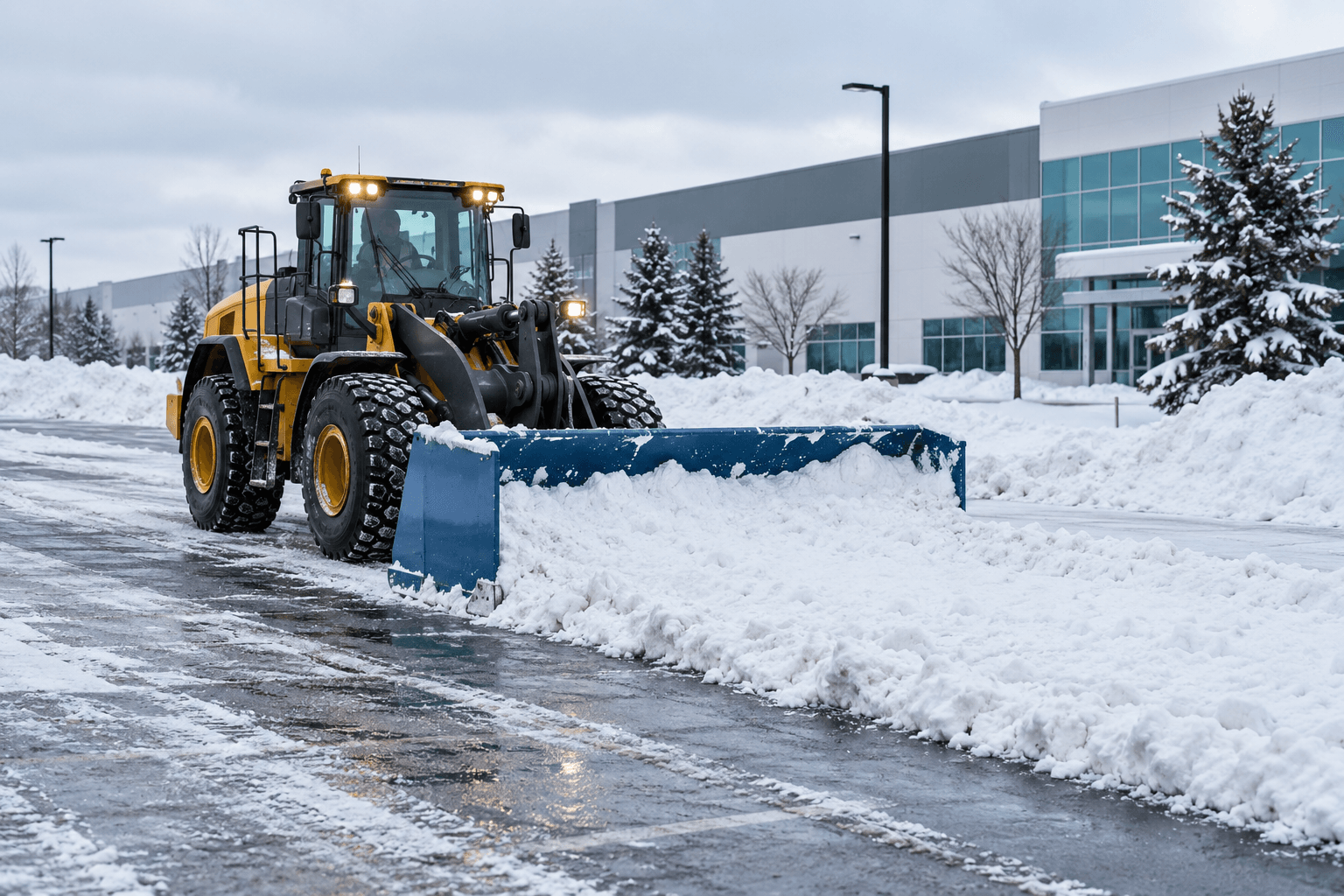
Factors that may affect the price include:
- Total parking-lot and driveway area
- Number and length of sidewalks
- Entrances, ramps and loading zones
- Snowfall and service triggers
- Frequency of salting and de-icing
- Snow-storage capacity
- Need for off-site snow hauling
- Required response times
- Equipment and staffing requirements
- Property access and operating hours
A larger property does not automatically mean a proportionally higher price. A smaller site with limited snow-storage space, heavy pedestrian traffic or strict response requirements may require more labour and specialized equipment.
Seasonal Contracts vs. Per-Visit Pricing
Commercial snow removal services are commonly priced through seasonal, per-visit or snowfall-based agreements. Understanding the differences can help property managers select the most appropriate option.
Seasonal Pricing
A seasonal contract normally provides service throughout an established winter period for a predetermined price. This can make budgeting more predictable because the main service cost remains consistent during winters with frequent snowfall.
However, seasonal contracts may still contain limits or additional charges. Salting, snow hauling, major storms or snowfall above an established seasonal allowance may not be included in the base price.
Per-Visit or Per-Push Pricing
Under a per-visit agreement, the property is charged whenever a crew completes an approved service. The amount may depend on the equipment used, the snowfall depth and the areas cleared.
This arrangement may cost less during a mild winter but become more expensive when frequent or prolonged storms require repeated visits.
Per-Centimetre or Tiered Pricing
Some contractors use pricing tiers based on snowfall accumulation. Different rates may apply to smaller, moderate and heavy snowfall events.
The agreement should explain:
- How snowfall is measured
- Where measurements are taken
- When a new service visit can be charged
- How drifting or blowing snow is handled
- Whether repeated visits during a long storm are billed separately
Property managers should compare the total potential cost and coverage, not just the initial quoted price.
What Should a Seasonal Contract Cover?
A seasonal snow removal contract should clearly identify every service area the contractor is responsible for maintaining. Vague descriptions such as “snow clearing as required” can create confusion about what is included.
The scope of work should identify:
Parking lots and vehicle lanes
Driveways and property access points
Pedestrian walkways
Building entrances and exits
Accessibility ramps
Loading zones and service areas
Fire routes and emergency access
Garbage and recycling areas
Designated snow-storage locations
The agreement should also explain how parked vehicles, locked gates, construction materials and other obstructions may affect service. Every included and excluded area should be documented before the winter season begins.
Review Salting and De-Icing Charges
Plowing removes accumulated snow, but it may not eliminate compacted snow, freezing rain or refreezing. Salting and de-icing may be included in the seasonal price, charged per application or provided only after receiving authorization.
Before signing the contract, ask:
Is de-icing included in the seasonal price?
Which areas will receive treatment?
What conditions trigger an application?
Which materials will be used?
Are additional applications charged separately?
Who can authorize extra service?
Are return visits available when surfaces refreeze?
Will material usage appear in the service report?
The agreement should clearly distinguish between snow-plowing and ice-management services so the property manager understands what is included and what may result in additional charges.

Check Snow Relocation and Hauling Terms
As winter progresses, accumulated snow piles can reduce parking capacity, obstruct visibility and interfere with drainage. Properties with limited snow-storage space may require on-site relocation or off-site hauling.
Confirm whether the seasonal contract includes:
Designated snow-storage areas
Relocation of accumulated snow
Front-end loaders or specialized equipment
Off-site snow hauling and disposal
Hourly equipment charges
Trucking or disposal fees
Authorization requirements
Cleanup after the snow is removed
Snow relocation and hauling are frequently treated as additional services. The agreement should explain when these services become necessary, who can authorize them and how the charges will be calculated.
Account for Major Storms and Seasonal Limits
Some fixed-price seasonal contracts include a snowfall allowance, a maximum number of service visits or special conditions for unusually severe weather. Additional charges may apply when the winter exceeds those limits.
Review the agreement for terms covering:
Snowfall above the seasonal allowance
Unusually large storms
Consecutive snowfall events
Multiple visits during one storm
Emergency or priority service
Blowing and drifting snow
Ice storms and freezing rain
Services outside normal operating conditions
Ask the contractor to provide an example showing how additional charges would be calculated during a prolonged or unusually severe storm. This can help prevent unexpected expenses later in the season.
Require Service Records and Clear Communication
Detailed service records allow property managers to confirm when crews attended the property and what work was completed. Documentation can also help identify recurring problem areas and support internal property-maintenance records.
Ask whether the contractor provides:
Arrival and departure times
Weather and site-condition notes
Areas plowed or cleared
De-icing materials applied
Equipment used during each visit
Photographs of completed work
Reports of obstacles or inaccessible areas
Details of property damage or hazards
Follow-up service recommendations
The contract should identify who receives these reports and who is authorized to approve additional work. Clear communication is especially important during prolonged storms when conditions and service requirements may change.
Review Insurance and Contractor Responsibilities
Before signing a seasonal snow removal agreement, request current proof that the contractor carries appropriate commercial insurance. The contract should also explain how incidents, property damage and subcontracted work are handled.
Confirm that:
Commercial liability insurance is active
Workers are trained to operate the assigned equipment
Incidents and property damage are documented
Hazards are reported to the property manager
Subcontractors meet the same insurance and safety requirements
Responsibilities for blocked or inaccessible areas are clearly explained
Property owners and managers should also review their own insurance requirements and request professional advice whenever contractual responsibilities or coverage terms are unclear.
Look for Exclusions and Additional Charges
The seasonal price may not cover every winter-maintenance service. Review all exclusions carefully and request written clarification for anything that is unclear.
Potential additional charges may include:
Salting and de-icing applications
Sidewalk and entrance clearing
Snow relocation
Off-site snow hauling
Loader and dump-truck services
Emergency callouts
Service below the stated snowfall trigger
Additional visits during prolonged storms
Excessive seasonal snowfall
Work outside the contract period
Clearing areas obstructed by parked vehicles
Every additional service should have a defined rate or calculation method. Do not rely on verbal promises that are not documented in the written agreement.
Request a Property Assessment Before Signing
A reliable seasonal snow removal price should be based on a physical assessment of the property. This allows the contractor to understand the site and recommend suitable equipment, service triggers and snow-storage locations.
During the assessment, identify:
Priority entrances and pedestrian routes
Parking and vehicle-traffic patterns
Loading and delivery schedules
Fire routes and emergency access
Accessibility requirements
Curbs, islands and speed bumps
Drainage and refreezing areas
Available snow-storage locations
Areas where snow cannot be piled
Overnight access restrictions
A property-specific winter plan is more dependable than a general quotation prepared without inspecting the site.

Questions to Ask Before Signing a Seasonal Contract
Before choosing a contractor, ask:
What dates does the seasonal agreement cover?
What snowfall depth triggers service?
Which areas of the property are included?
Are sidewalks, entrances and accessibility ramps covered?
Is salting included or charged separately?
Are there snowfall or service-visit limits?
How are prolonged or unusually severe storms handled?
Is snow relocation or hauling included?
What response time should the property expect?
What equipment will be assigned to the site?
Is backup equipment available?
Will service reports and photographs be provided?
Who should be contacted during a storm?
Which services require additional authorization?
How can the agreement be renewed or cancelled?
Ask the contractor to answer these questions in writing or ensure the answers are clearly included in the final agreement.
Seasonal Snow Removal Contract Checklist
Before approving a proposal, confirm that the agreement provides:
A clearly defined contract period
A property-specific scope of work
Defined snowfall and de-icing triggers
Clearly identified service areas
Response-time expectations
Designated snow-storage locations
Procedures for major and prolonged storms
Pricing for additional services
Salting and de-icing terms
Snow relocation and hauling terms
Service reports and communication procedures
Proof of appropriate commercial insurance
Cancellation and renewal conditions
Contact details for routine and emergency requests
Comparing proposals using the same checklist makes it easier to identify differences in service coverage, contract limits and potential additional costs.
Frequently Asked Questions
How much does a seasonal snow removal contract cost in Toronto?
Seasonal snow removal pricing depends on the property’s size, layout, service areas, snowfall triggers, de-icing requirements, snow-storage capacity and expected response times. A property assessment is normally required to prepare an accurate quote.
Is salting included in a seasonal snow removal contract?
Not always. Salting may be included, limited to specific areas, charged per application or performed only when authorized. The agreement should clearly explain how de-icing services are triggered and billed.
Does a seasonal contract include unlimited snow removal?
Not necessarily. Some agreements include snowfall allowances, service limits or additional charges for unusually severe winters. Review the contract for maximum snowfall, visit and major-storm provisions.
What happens during a prolonged snowstorm?
The contractor may complete multiple visits to keep priority areas accessible and return for final cleanup after the snowfall ends. The agreement should explain whether repeated visits are included or billed separately.
Is off-site snow hauling included?
Snow hauling is often an additional service because it requires loaders, trucks, labour and an approved disposal location. Confirm the rates and authorization process before winter begins.
When should a Toronto business arrange a seasonal contract?
Businesses should arrange snow removal before winter conditions begin. Early planning gives the contractor time to inspect the property, assign appropriate equipment and prepare a site-specific service plan.
Plan Your Seasonal Snow Removal Service with OutWash
A seasonal agreement should provide more than a fixed winter price. It should clearly define the service areas, snowfall triggers, response expectations, de-icing procedures, documentation requirements and potential additional charges.
OutWash provides commercial snow removal services for businesses and managed properties throughout Toronto. Contact the OutWash team to request a property assessment and discuss seasonal snow removal pricing based on your property’s layout, operating hours and winter-maintenance requirements.