
Commercial Exterior Cleaning Checklist for Toronto Businesses
A clean commercial exterior helps customers, tenants and employees form a positive first impression before they enter the building. In Toronto, however, outdoor surfaces face road salt, freeze-thaw cycles, vehicle residue, pollen, rain, leaves and everyday foot traffic. Without a clear maintenance plan, stains and buildup can become harder to remove and may make entrances, walkways and building fronts look neglected.
This commercial exterior cleaning checklist gives Toronto business owners and property managers a practical way to inspect the property, set priorities and decide when professional help is needed. Use it for retail stores, offices, condominiums, warehouses, restaurants and other commercial properties across Toronto and the Greater Toronto Area.
Why Toronto businesses need an exterior cleaning plan
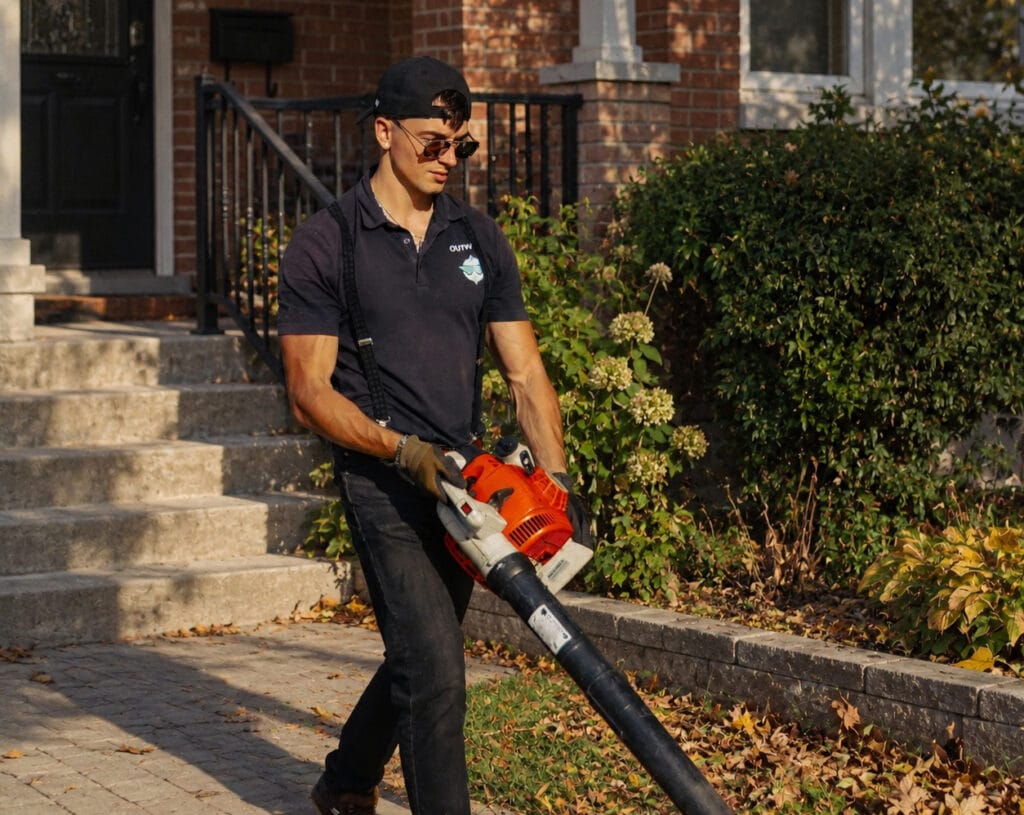
Exterior cleaning is easier to manage when it follows a schedule instead of waiting for the property to look dirty. Toronto weather creates different maintenance needs throughout the year. Winter brings salt and slush around entrances and parking areas. Spring exposes residue left behind after snow melts. Summer increases dust, pollen and activity around outdoor spaces. Fall adds leaves and debris that can collect near drains and gutters.
A checklist helps property managers identify high-visibility and high-traffic areas first, coordinate work around business hours and keep routine cleaning from being overlooked. It also makes it easier to request a quote because the contractor can see which surfaces, access points and problem areas need attention.
Commercial exterior cleaning checklist
Area
What to inspect
Suggested review timing
Storefront and facade
Check for dirt, streaks, cobwebs, organic buildup, traffic film and marks around signs or entrances. |
Seasonally and when buildup is visible
Sidewalks and entrances
Inspect for gum, spills, salt residue, dark traffic lanes and slippery organic growth.
Monthly inspection; clean as needed
Exterior windows
Look for fingerprints, water spots, dust, bird residue and streaking around frames.
Monthly or quarterly, depending on exposure
Parking lots and garages
Check driving lanes, walls, columns, stairwells and pedestrian routes for dirt, oil residue and salt buildup. |
Quarterly inspection; seasonal deep cleaning
Loading and service areas
Inspect concrete, doors, pads and waste-handling areas for grime, spills and tracked debris. |
Monthly or based on operations
Gutters and downspouts
Look for leaves, blockages, overflow marks and debris near roof drainage points. |
Spring and fall; more often near trees
Outdoor signs and fixtures
Check signs, awnings, railings, bollards and light fixtures for dust, stains and weather buildup. |
Quarterly
1. Inspect the storefront and building façade
Start with the areas customers notice first. Walk the property from the street and then inspect it at entrance level. Look for traffic film, dust, spiderwebs, algae, bird residue, staining below ledges and dirt around signs, doors and architectural details. Different façade materials require different cleaning pressure and methods, so avoid treating brick, stone, metal panels, glass and painted surfaces as if they were the same.
- Photograph visible stains and record their location.
- Check corners, ledges, canopies and areas protected from normal rainfall.
- Inspect the lower portion of the façade, where splashback and pedestrian traffic create heavier buildup.
- Confirm that the proposed cleaning method is appropriate for the surface material.
2. Clean sidewalks entrances and high traffic areas
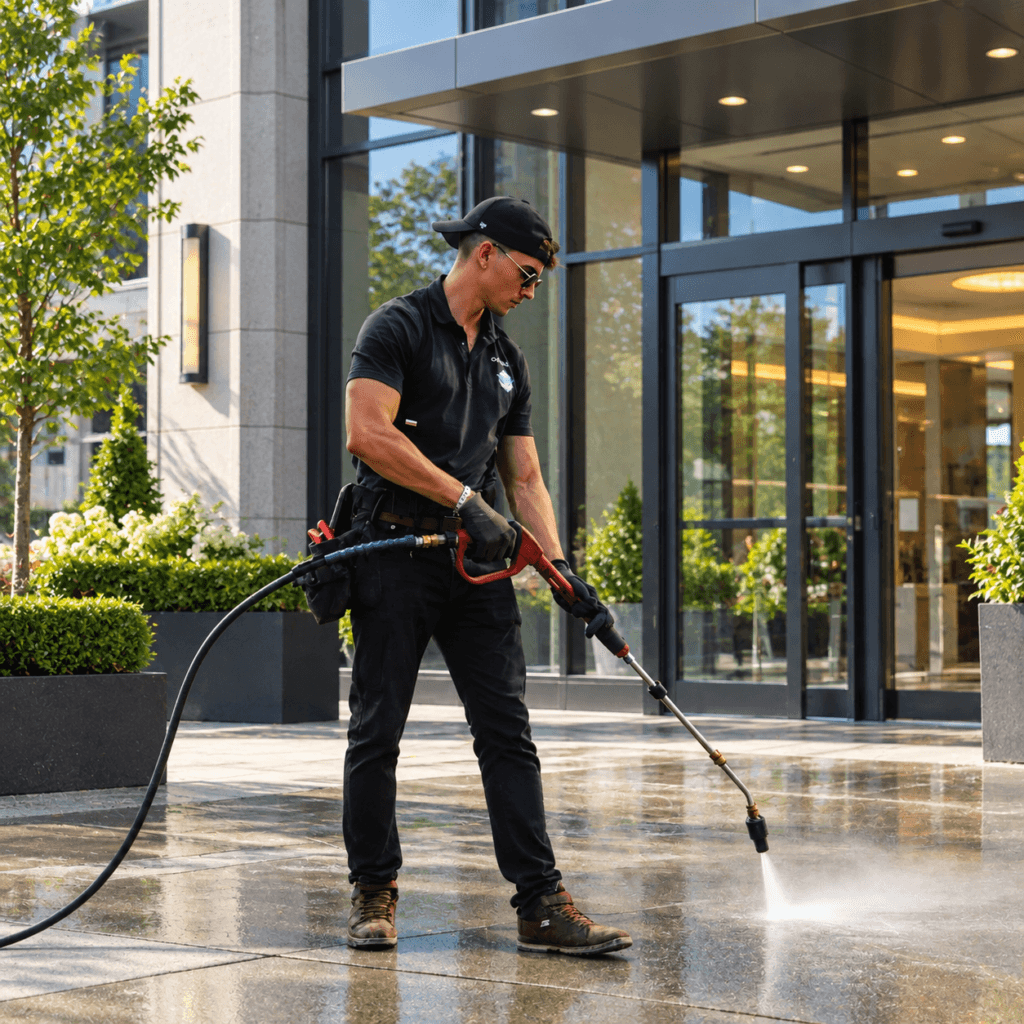
Entrances and sidewalks collect some of the heaviest daily wear. Pay attention to gum, drink spills, salt residue, dark walking paths and dirt around planters or door thresholds. These areas should be reviewed more often than low-traffic portions of the property because they directly affect appearance and may become slippery when organic buildup is present.
Schedule disruptive work during low-traffic hours. Use signs and controlled work zones when cleaning near employees, customers, tenants or vehicles. A professional crew can help select pressure, temperature and cleaning products that suit the surface and surrounding
3. Review parking lots underground garages and loading areas
Parking and service areas can accumulate vehicle residue, sand, winter salt and tracked dirt. In underground garages, inspect walls, columns, curbs, pedestrian walkways, stairwell approaches and drainage areas as well as the driving surface. In loading zones, check the concrete near doors, waste areas and frequently used equipment routes.
- Remove loose debris before washing.
- Identify oil or other stains that may need targeted treatment.
- Keep drains and water-flow routes clear during the work.
- Coordinate access so cleaning does not interfere with deliveries or customer parking.
4. Check exterior windows frames and signs
Exterior glass can quickly show dust, water spots, fingerprints and residue, especially near busy roads or entrances. Include frames, sills and surrounding panels in the inspection instead of focusing only on the glass. Clean signs and exterior fixtures at the same time when access and surface requirements allow. This creates a more consistent result across the front of the property.
5. Inspect gutters downspouts and drainage areas
Leaves and debris can collect in gutters, downspouts and drainage paths. Review these areas in spring and fall, after major storms and whenever overflow marks appear. Commercial properties near mature trees may need more frequent checks. Because roof edges and elevated drainage systems involve fall hazards, trained professionals should handle work that requires ladders, lifts or roof access.
Spring
Spring is the main reset after winter. Remove salt film, sand and grime from entrances, sidewalks, parking areas and lower building surfaces. Inspect gutters and drainage paths, wash exterior windows and identify stains revealed after the snow is gone.
Summer
Focus on storefront presentation, patios, exterior glass and high-traffic areas. Watch for pollen, dust, spills and organic buildup in shaded or damp locations. Businesses with outdoor seating or frequent customer turnover may need more regular service.
Fall
Clear leaves and debris from entrances, walkways, gutters and drainage areas. Clean surfaces before colder weather makes scheduling more difficult. Fall is also a good time to document areas that may need special attention after winter.
Winter
Prioritize safe access and ongoing removal of tracked salt and slush around entrances. Monitor high-traffic areas, but schedule exterior washing only when weather, drainage and surface conditions allow the work to be completed safely.
How often should a commercial exterior be cleaned
There is no single schedule that fits every property. Cleaning frequency depends on pedestrian and vehicle traffic, nearby trees, exposure to busy roads, building materials, tenant expectations and the type of business. A highly visible storefront may need monthly attention, while a low-traffic façade may only require a seasonal or annual deep clean. Parking garages and loading areas should be reviewed according to use and winter residue.
A practical approach is to inspect the property monthly, record visible issues and schedule service before buildup becomes widespread. For recurring work, create a scope that identifies each surface, the cleaning method, access requirements, preferred service time and review frequency.
When to hire a professional exterior cleaning company
Professional help is appropriate when the work involves large areas, elevated access, stubborn staining, active parking or loading zones, sensitive building materials, specialized equipment or coordination around public traffic. Before hiring a company, confirm the scope in writing and ask how the crew will protect nearby people, vehicles, landscaping and building components.
- Request proof of insurance and applicable workplace coverage.
- Confirm which surfaces and stains are included in the quote.
- Ask what access, water and drainage arrangements are required.
- Agree on scheduling, work zones and communication before service begins.
- Request before-and-after documentation when it will help with property records.
Plan commercial exterior cleaning with OutWash
OutWash provides outdoor cleaning services for businesses across Toronto and the GTA. Services can include storefront and building façade cleaning, sidewalk and entrance pressure washing, exterior window cleaning, parking and garage cleaning, commercial gutter cleaning, loading-area cleaning and post-construction exterior cleanup.
For a property-specific scope, explore our commercial cleaning services in Toronto or contact OutWash to arrange a site review and free quote. We can help build a one-time, seasonal or recurring exterior maintenance plan around your property, operating hours and priority areas.