
Snow Removal vs Snow Plowing: What's the Difference
Most people use the terms snow removal and snow plowing like they mean the same thing, but they’re actually two very different services. One pushes snow aside to clear a path, while the other removes it from the property entirely. That difference matters when space is limited, storms build up quickly, or you want a safer and more manageable winter setup.
Preparing for colder weather often involves more than clearing snow, and many homeowners follow a winter property maintenance checklist for homeowners to stay ahead of seasonal issues. Understanding how plowing differs from full removal fits naturally into that kind of planning and helps you choose the service that makes the most sense for your property.
What Is Snow Plowing
Snow plowing is the most common and straightforward method for clearing snow because it focuses on moving snow aside rather than removing it completely. A plow blade pushes snow to the edges of a driveway, parking area, or walkway so you can safely pass through without dealing with deep accumulation. It’s quick, efficient, and ideal during ongoing snowfalls where multiple passes might be needed throughout a storm.
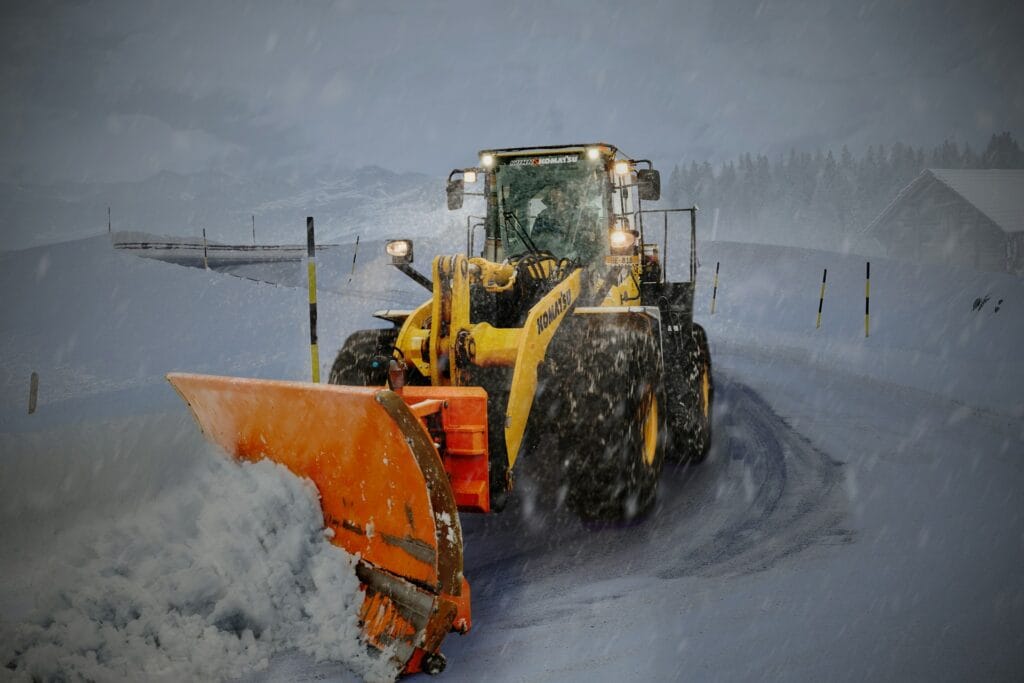
The simplicity of plowing is also its limitation. Since the snow stays on your property, the piles can gradually grow, harden, or start encroaching on areas you need to keep open. Over time, this buildup can reduce visibility, limit space, and create icy patches as melting and refreezing happen. When this runoff begins pooling around edges of the home, some homeowners also refer back to guides like the frozen gutters and roof leaks prevention guide to understand how winter buildup can affect other parts of the property. Plowing works perfectly when you have room to spare, but when space is tight or storms become heavier than usual, the growing snowbanks can make full removal the more practical option.
What Is Snow Removal
Snow removal goes a step beyond plowing because it doesn’t just push snow aside, it takes the snow off your property completely. After the snow is gathered into a central pile, equipment loads it into a truck and hauls it away to a designated disposal site. This clears the area entirely instead of leaving snowbanks behind, which can make a big difference when space is tight or storms start piling up snow faster than it can melt.
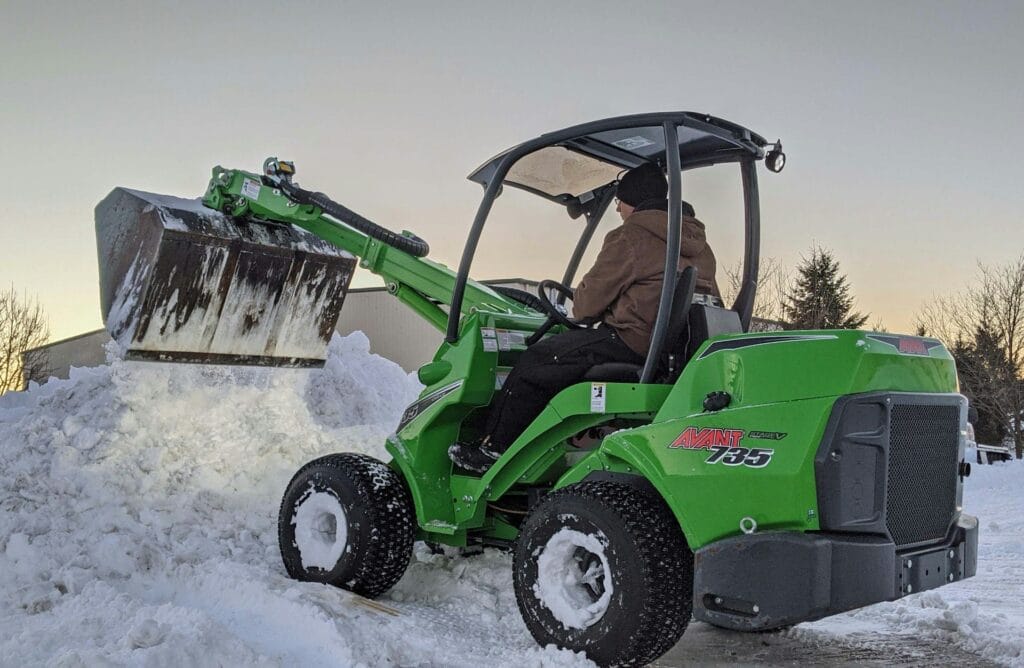
The biggest advantage of full removal is long-term manageability. Without large piles sitting around, there’s less chance of meltwater spreading across walkways, refreezing overnight, or blocking areas you need to keep accessible. It’s a cleaner, more comprehensive solution for properties that experience heavy snowfall, limited storage space, or repeated storms that make regular plowing harder to keep up with.
Snow Plowing vs Snow Removal, Key Differences
Snow plowing and snow removal may sound similar, but they approach winter maintenance in completely different ways. Plowing focuses on pushing snow aside to create a clear path, while removal eliminates the snow from your property altogether. Seeing them side by side makes the contrast much easier to understand.
| Feature | Snow Plowing | Snow Removal |
|---|---|---|
| What it does | Pushes snow aside to clear a path | Removes snow from the property entirely |
| Where the snow goes | Stays on site in piles | Hauled away to a disposal site |
| Best for | Moderate snowfall and properties with space for snowbanks | Heavy storms or properties with limited space |
| Speed | Fast and repeatable during a storm | Slower due to loading and hauling |
| Maintenance | Requires managing growing snow piles over time | Minimal once snow has been removed |
| Safety impact | Piles can contribute to melt and refreeze around high traffic areas | Reduces meltwater and ice buildup risks |
| Cost | Typically more budget friendly | Higher due to the hauling process |
Snow plowing works best when you simply need quick and frequent clearing and have room for snow to accumulate over time. Snow removal becomes the better option when storms intensify, space runs out, or large piles start affecting visibility, access, or safety. The simplest way to remember the difference is that plowing manages snow, while removal eliminates it entirely.
Which Service Do You Need
Choosing between snow plowing and snow removal depends on how much snow your property receives, how quickly it builds up, and how much space you have available. If your goal is simply to keep driveways and walkways open during regular winter conditions, plowing is usually enough. It handles moderate snowfall well and allows for quick clearing when storms are ongoing.
Snow removal becomes the better option when growing piles start creating problems. If snowbanks begin blocking visibility, reducing parking space, spilling into walkways, or causing melt-and-refreeze issues, removing the snow entirely provides better long-term control. This is especially useful when storms stack snow faster than it can melt or when a property has limited room for buildup. For anyone exploring a more complete solution, the snow removal services page offers a clear look at what full clearing and hauling includes.
In simple terms, plowing keeps things manageable day to day, while removal is designed for heavier accumulation, safety concerns, and situations where space or accessibility is limited. Choosing the right service helps you stay ahead of winter rather than constantly catching up to it.
Choosing the Best Snow Solution for Your Property
Snow plowing and snow removal each solve winter challenges in different ways, and the right choice depends on how much space you have, how quickly snow builds up, and how actively you want to manage winter conditions. Plowing is ideal for everyday storms and regular upkeep, especially when there’s room for snowbanks to accumulate safely. Removal offers a more complete solution by eliminating piles altogether, keeping your property clear when storms are heavy or space is limited.
If you decide that full clearing is the better long-term fit, exploring dedicated snow removal services can help you understand what’s included and how it supports a safer, more accessible property throughout winter. Whichever option you choose, the goal is the same, to keep your space functional, manageable, and ready for whatever the season brings.